Loading the Elevenlabs Text to Speech AudioNative Player…
How ChatGPT’s Latest Features Signal a Shifting Landscape
The race to develop the most effective AI search solution is far from over, and we’re likely to see continued innovation from all players in this space.
The AI search landscape is shifting fast. While ChatGPT’s recent introduction of web browsing capabilities marks a significant step forward, it finds itself playing catch-up to more agile competitors like Perplexity AI, which has been offering real-time search since its inception.
The Current State of ChatGPT’s Search
ChatGPT’s web browsing feature, while powerful, comes with notable limitations. Plus subscribers can now ask ChatGPT to search the internet for current information, but the implementation feels somewhat clunky compared to Perplexity’s more streamlined approach. ChatGPT requires users to explicitly request web searches, and the results often lack the immediacy and natural flow that users have come to expect from modern search experiences.
[caption id="" align=“alignnone” width=“2000”]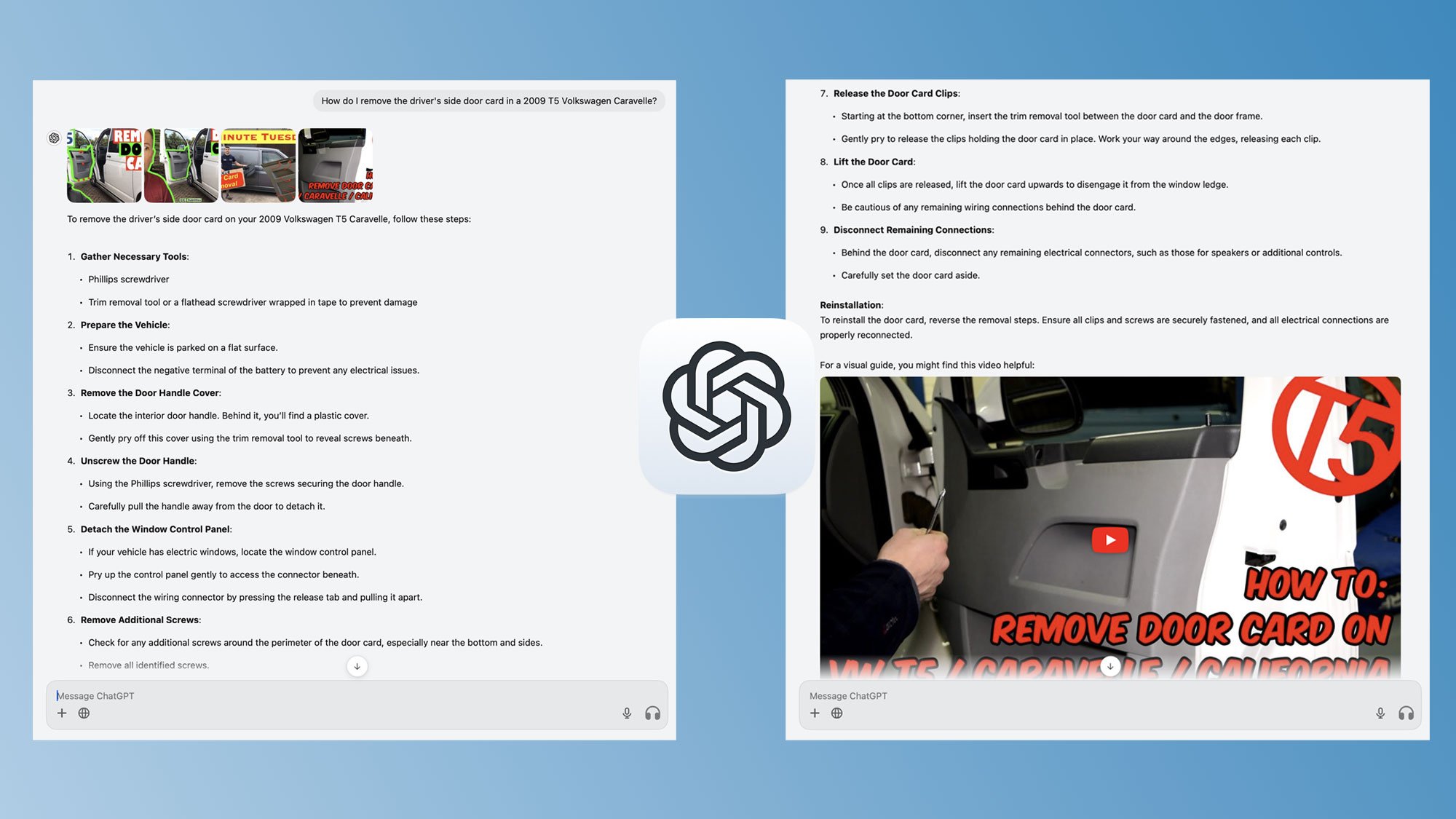 ChatGPT provides video resources, and more generic instructions without citing sources. [/caption]
Perplexity’s Edge
What sets Perplexity apart is its native integration of real-time search capabilities. Unlike ChatGPT, which treats web search as an add-on feature, Perplexity was built from the ground up with current information access in mind. This fundamental difference shows in the user experience — Perplexity seamlessly weaves together AI-powered analysis with up-to-date information, providing citations and sources automatically.
[caption id="" align=“alignnone” width=“2000”]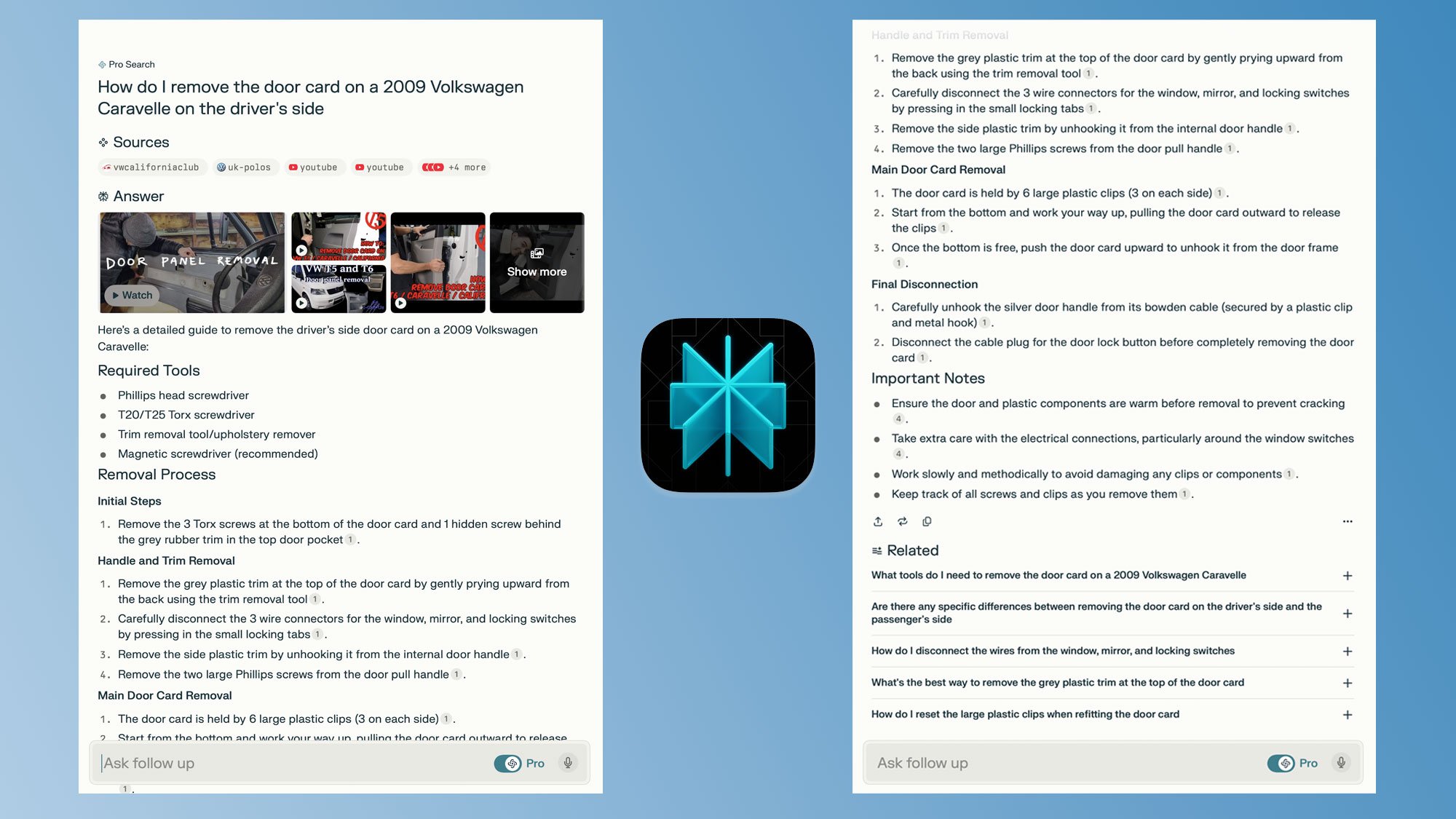 Perplexity’s returns some of the same video sources, but pays more attention to how the guide is formatted, and cites sources along the way. [/caption]
Implications for SEO and Digital Marketing
This shift toward AI-powered search has profound implications for SEO professionals and digital marketers. Traditional keyword-focused strategies are becoming less relevant as AI systems get better at understanding context and user intent. We’re seeing a move toward:
-
Content quality over keyword density
-
Emphasis on E-E-A-T (Experience, Expertise, Authoritativeness, Trustworthiness)
-
Greater importance of structured data and semantic markup
-
Need for real-time content updates and freshness
The Race for Real-Time
The competition between AI search platforms is driving rapid innovation. While ChatGPT’s browsing capability is a step forward, it highlights how OpenAI is playing catch-up in certain areas. Companies like Perplexity, Anthropic’s Claude, and Google’s upcoming Search Generative Experience (SGE) are all pushing the boundaries of what’s possible with AI-powered search.
Future Implications
Looking ahead, we can expect:
-
More sophisticated real-time search capabilities
-
Better integration of multimedia content in search results
-
Enhanced personalisation based on user context
-
Improved fact-checking and source verification
-
Greater emphasis on conversational search interfaces
What This Means for Businesses
Organisations need to prepare for a future where traditional SEO metrics may become less relevant. The focus should shift to:
-
Creating high-quality, authoritative content
-
Maintaining up-to-date information
-
Building strong brand authority
-
Developing comprehensive, well-structured content
-
Embracing semantic SEO principles
What This Means
ChatGPT’s search features are catching up, but Perplexity’s head start shows that OpenAI isn’t the only player here.
For content creators: focus on authoritative content that answers real questions. The technology will keep changing — the need for substance won’t.